How to Actually Build Communities. This is the Way.

What if I told you I have built the biggest Brazilian Zouk community online?
Brazilian Zouk is one of those modern niche dances that still has not really picked up momentum. And building a community in a fresh market, from nothing, is probably the hardest thing you can pick to do. Most businesses take the easy path. They grab a slice of someone else’s already-baked pie. The pioneers do the opposite. We walk into the unknown and build the thing that is not there yet.
So yeah, I am pretty proud of this one. It is genuinely one of the hardest things I have ever done. It asks you to become a visionary, to pick up the leadership that nobody actually wants, and sometimes to stand against a wave of older, prefound leadership still running the scene the old way in a world that has long moved on. The constant battle against misinformation. Dangerous techniques being taught as gospel. Trying to make the thing better whilst the thing fights you for changing it.
(I was no guru at this, by the way. I am a doer, so I just went and figured shit out, made every mistake going, and lived to write it down.)
It started somewhere dark
I used to blog my adventures and my dance journey purely for fun. Then one month I decided to write a very negative post and actually put my voice out there.
I would not recommend reading it, honestly. It is a long, cranky piece about the quality of learning and dancers’ egos. But the gist is a set of questions nobody was asking out loud. What is actually being done to improve how dancers learn? How are students learning? What, how, and who, are they learning from?
I am not someone who believes everyone is qualified to teach. They are not. The same way most self-proclaimed AI engineers are not real engineers, just because they can type a prompt into AI and spit out random useless stuff that will not work in reality. Most of them do not have the ability or the knowledge to hand someone a foundation they can genuinely grow on. But it cuts both ways. It is also the dancer’s choice how far they want to go. Some only want a few moves so they can throw their weight around (dangerously, I might add). Some chase the latest cool moves with little foundation and poorly executed technique (again, dangerous, with no regard for safety). Others are not happy where they are, they want to grow, and they have no access to any of this.
That post split the scene in two. The people who heard me and agreed, and the people who disagreed and think the world is made of goodness only. I see the world in every shade. I am not afraid to call the colour red for being red (unless I am colour blind, which I really do not think I am). Hold that thought, the haters get their own section.
Here is everything I learned after that. Eight lessons from the last 10 years.
1. Start with a manifesto (your vision and true goal)
This is the one everybody skips, and it is the one that matters most.
Without a clear goal, without a real intention of what you are adding value to, a community is meaningless. You are just collecting people. So you need a manifesto of some kind. A reason for people to gather. Something you can hold every decision up against and ask, does this move us towards the vision or not?
Mine was simple. Make the dance safer. Make the dance better. Help people learn properly, from people who can actually teach, with a foundation they can build a whole dancing life on. Every group I made, every post I wrote, every teacher I pointed someone towards, it all had to serve that. If it did not, it did not get built. Write your manifesto first. Everything after this list is just execution.
2. Build it on a shoestring, even if you have to
Building without a budget is hard. There are tools, paid ads, and a hundred other things that all cost money you do not have yet.
So I built the whole thing on a shoestring to begin with. As each idea actually worked, I would put a bit more time and a bit more money behind it. Only when it added value that pushed towards the goal. Not because it was shiny. Not because everyone else was doing it. You do not need a budget to start. You need one idea that works, then you feed the winners.
The main thing is, do not let money stop you from building a community. It should not. Sure, a bigger starting budget helps in some ways, but if you piss it down the drain on bad decisions, it is just a waste.
3. Test, observe, and be patient
You have to test, build, observe, and above all, be patient. Sometimes the seeds you sow do not sprout for years.
It is a bit like bamboo. The thing spends seven years growing roots underground where you cannot see a single result, and then once the foundation is in, it shoots up towards the sky in a matter of months. Community, and learning to dance, is the same. You are growing roots long before anything is visible.
The other half of it is just throwing ideas out there. It is not about releasing perfection, you genuinely do not know what works until you try it and watch what happens. Sometimes it takes a few goes and a few tweaks to see which shit sticks to the wall. And it is almost always the unexpected one that sticks. Why it stuck, you only figure out much later.
A few friends of mine run their Amazon businesses the exact same way. They try loads of products on a tiny budget, barely any effort on the photos or the packaging, and just watch which ones sell with the least push. That is how you find a real need, when people pay for something even while it is still a bit subpar. Then they pour the effort into the ones that sell and drop the ones that do not. Same principle, different playground.
4. Pick a theme, and be different
When everyone is doing the same thing, just with glitter or without glitter or a slightly different flavour, it is still the same thing.
You have to do something unique, or at least genuinely differentiate yourself from other communities. Some people call it a unique selling point. We are not exactly selling here, but the idea still holds. Borrow the bits that work, sure, but the whole experience has to be different. Give people a real reason to come to you and not the identical thing next door. If they cannot tell you apart from everyone else, you have not built a community. You have built a copy.
Here is what that looks like for us. At our own ChillZouk and ZoukDanceCamp events, Domi and I do not run the event, our team does. So why are we even there? Because we take part. We eat, we sleep, we dance, we chat, we look after our guests. The best feedback we get from our clients, over and over, is that we are the only organisers who actually spend time with the people who came. Simply amazing, right? I only clocked how rare that was after going to 100+ international events myself. Most organisers are too busy running around behind the scenes to ever be the face of the thing, or to blend in with their own community.
5. Protect the focus, ruthlessly
Once people show up, you will get noise. Members posting brilliant stuff, and members posting rubbish. You will get bots, spam, and people who join with zero intention of contributing and only want to take, take, take.
Deal with them. Fast. Snip it in the bud. They are not there to help, they are not your friends, and they do not add any value to the community. So cut them quick and block them. Do it fast, before your groups get tainted with spam and bots and the whole community starts to disengage.
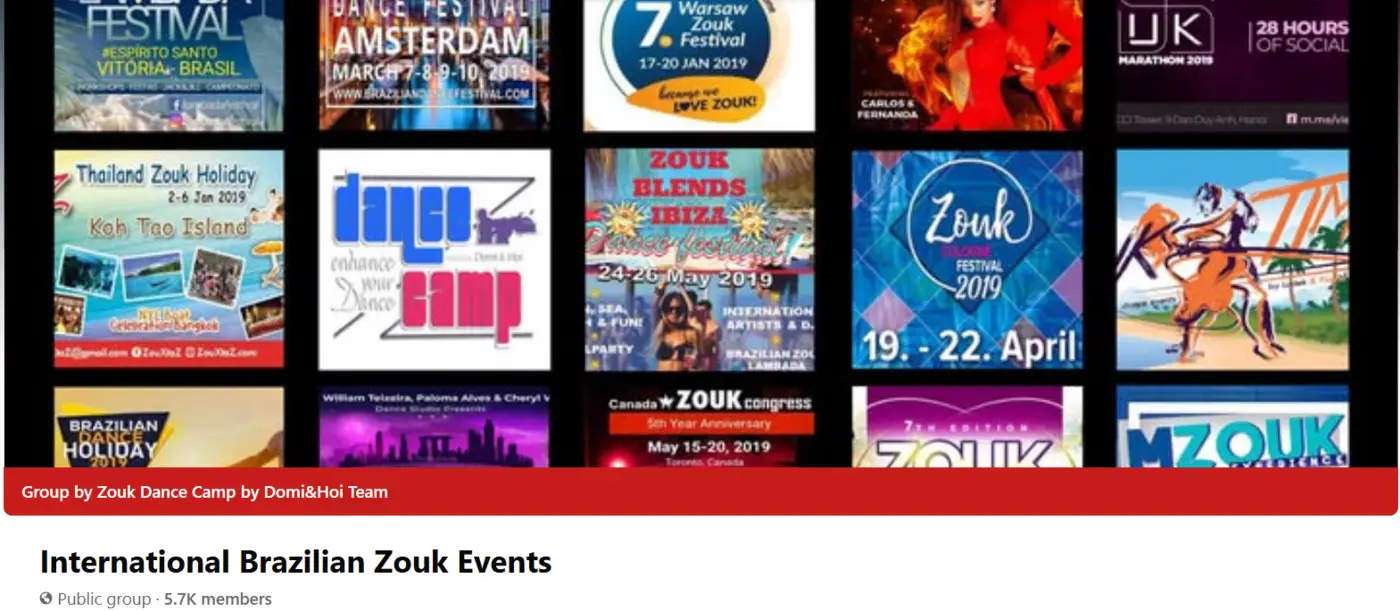
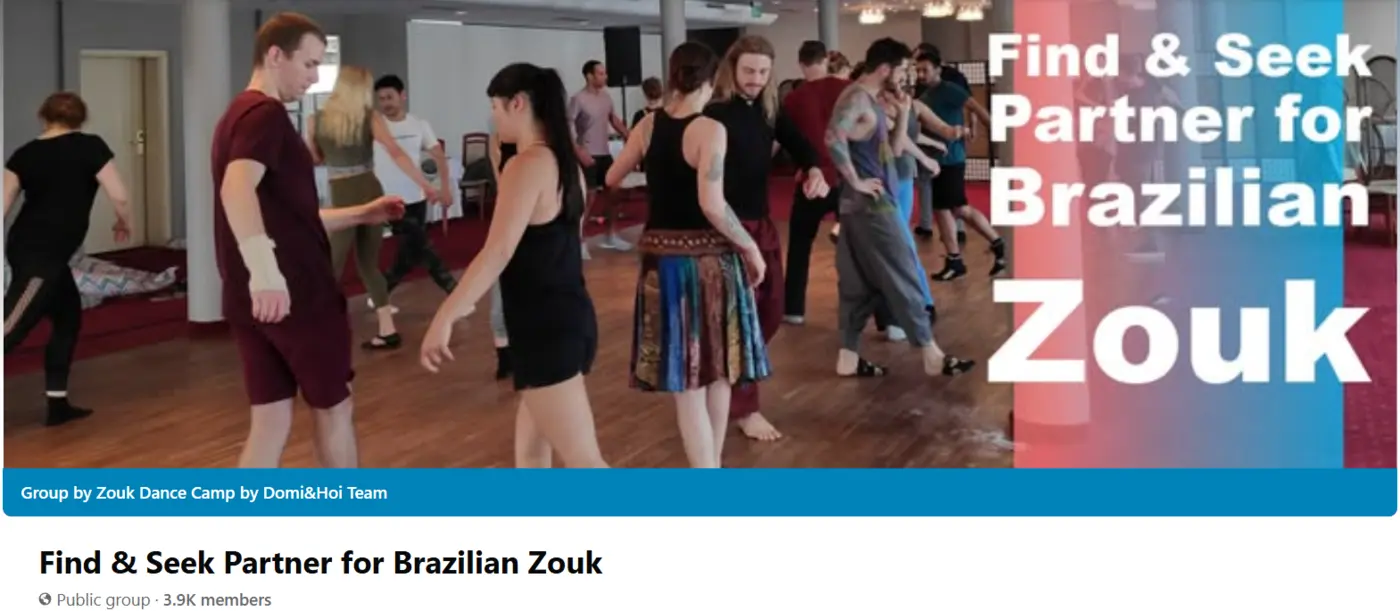
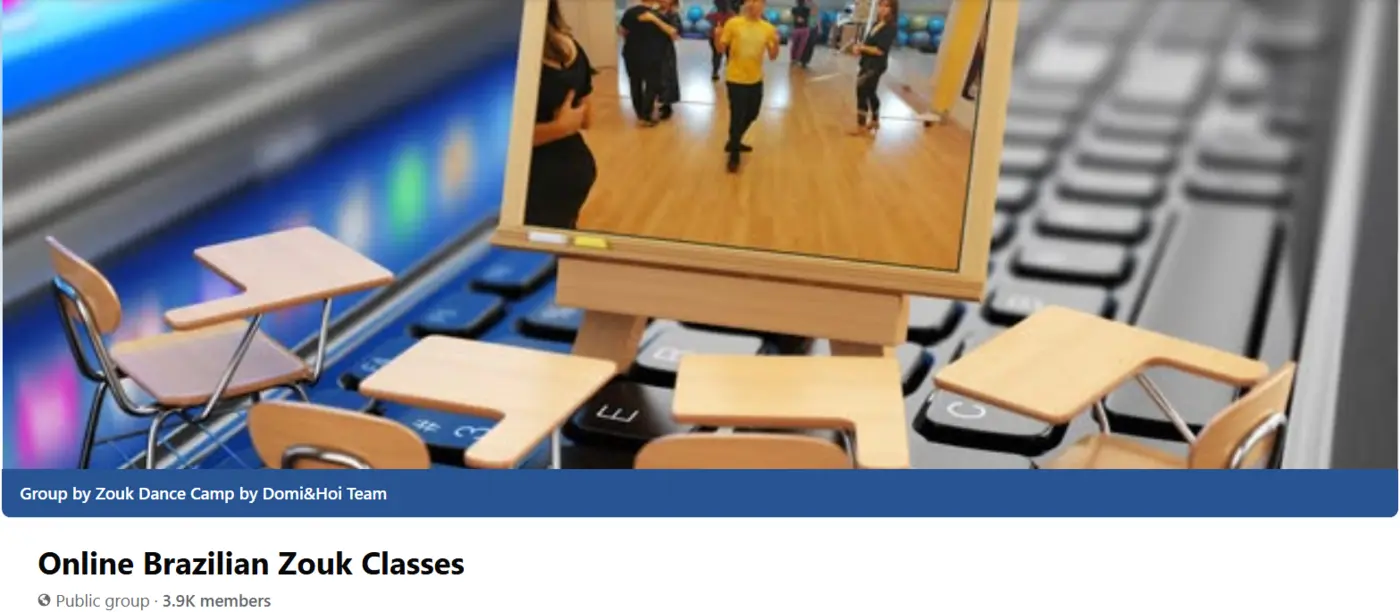
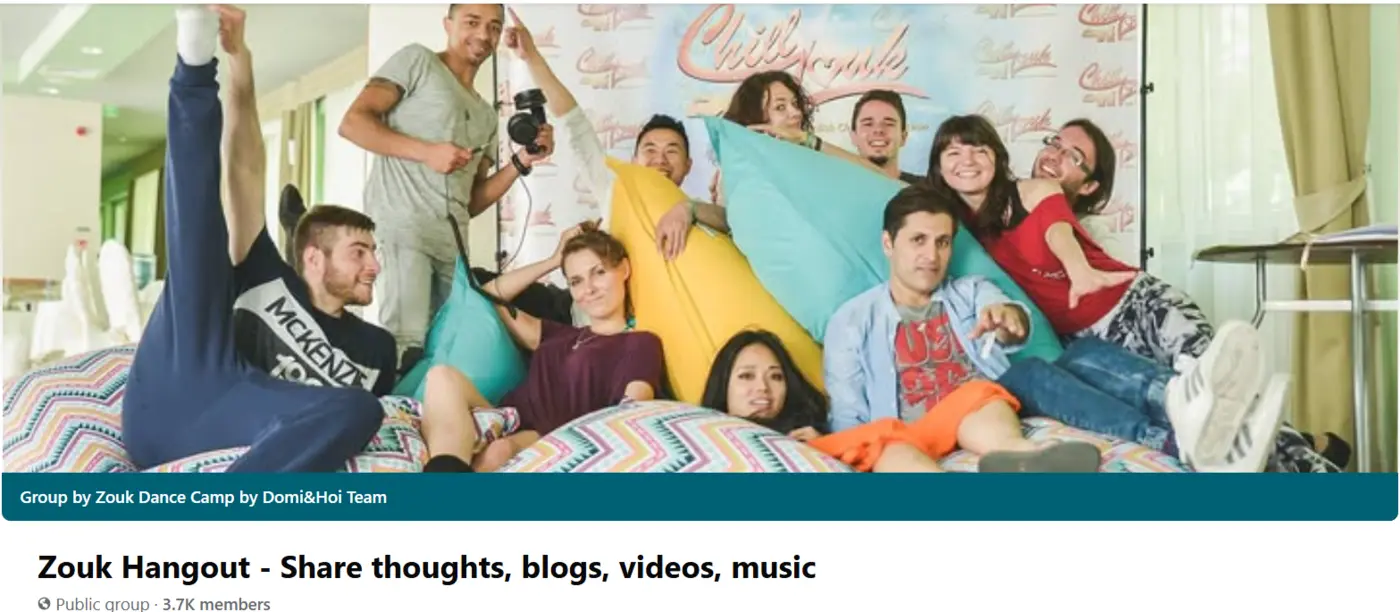
Split your groups and topics with clear rules, and make it clear that violations mean you are removed. People learn the hard way, and sometimes the hard way is the only way the lesson sticks. I ended up running lots of separate groups for different purposes, each with its own job and its own boundaries.
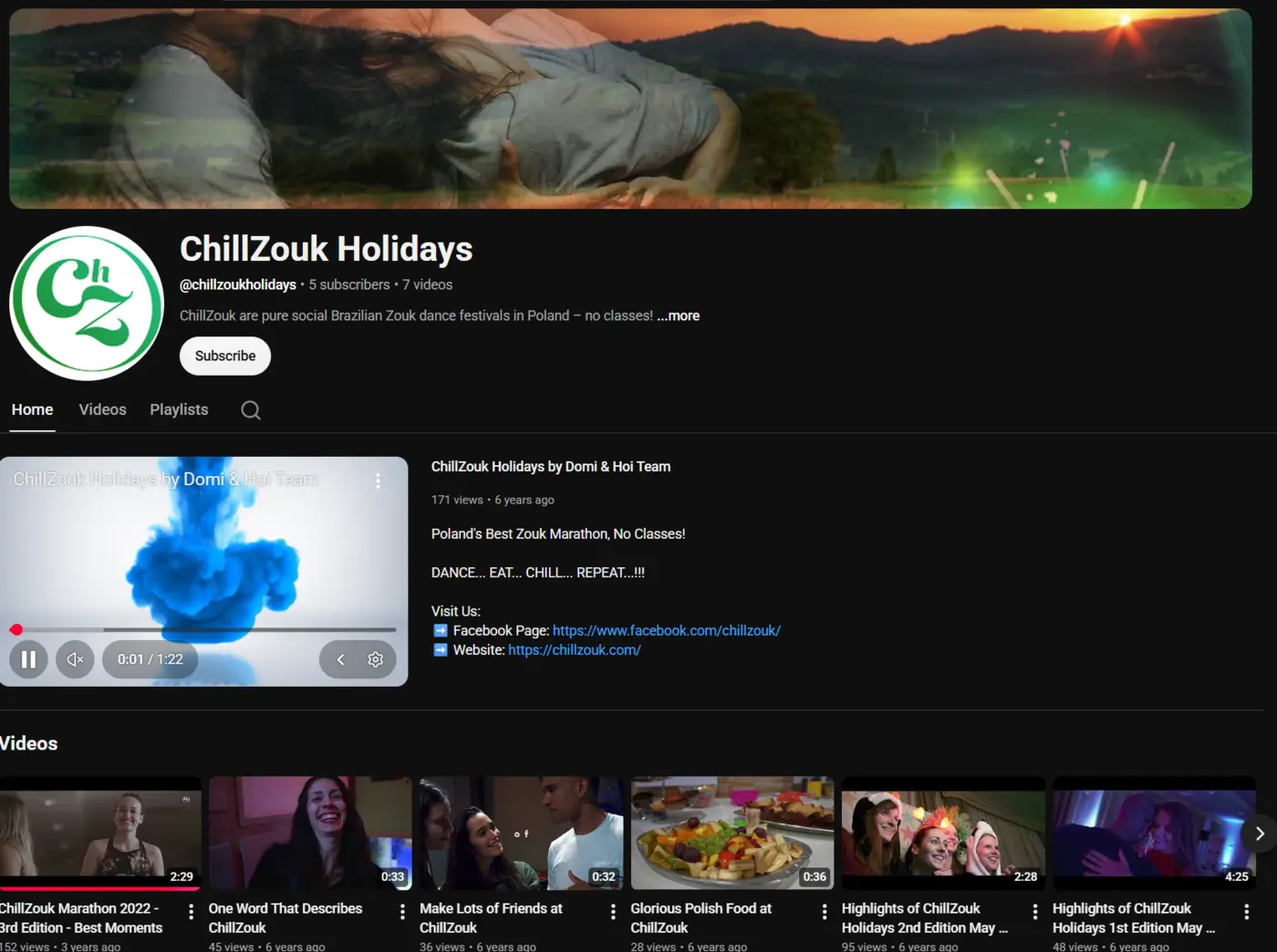
Facebook was our primary drive at the start. Instagram came later. YouTube was never really the audience, it is just where we kept the videos for the websites and the promo. Across the lot I tested loads of different group types, watching where people actually turned up and could find us.
This was all trial and error. Every page, every group, every platform was a funnel, a different way in, no matter how much or how little traction each one got. Some pulled in thousands, some pulled a handful. Every little counts, and every one of them fed the same community.
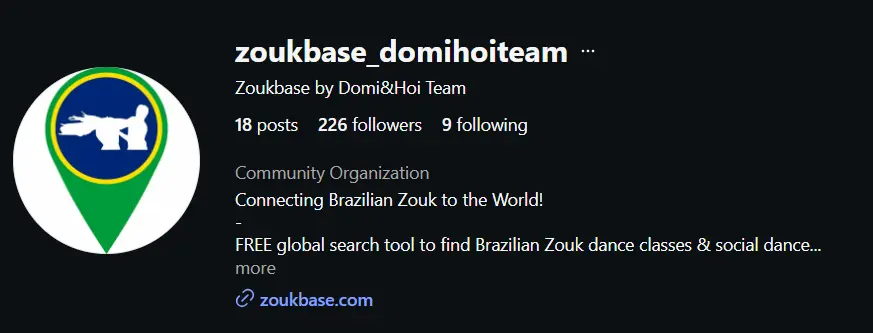
The focused groups, each with its own job:
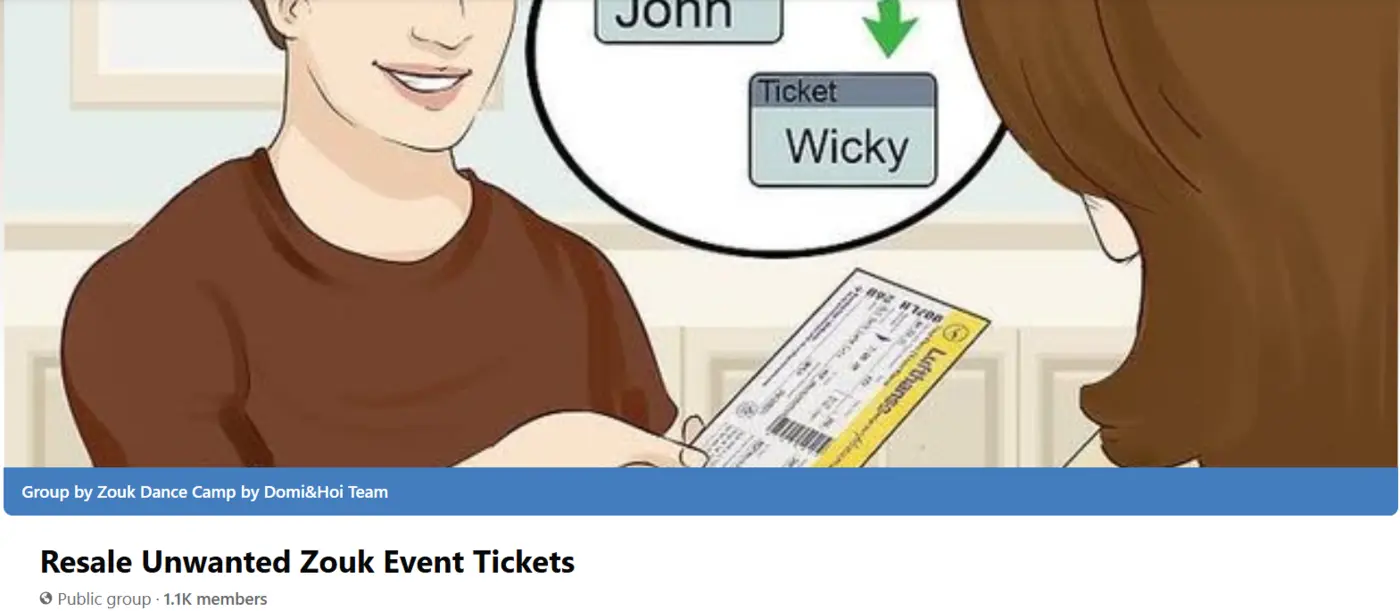

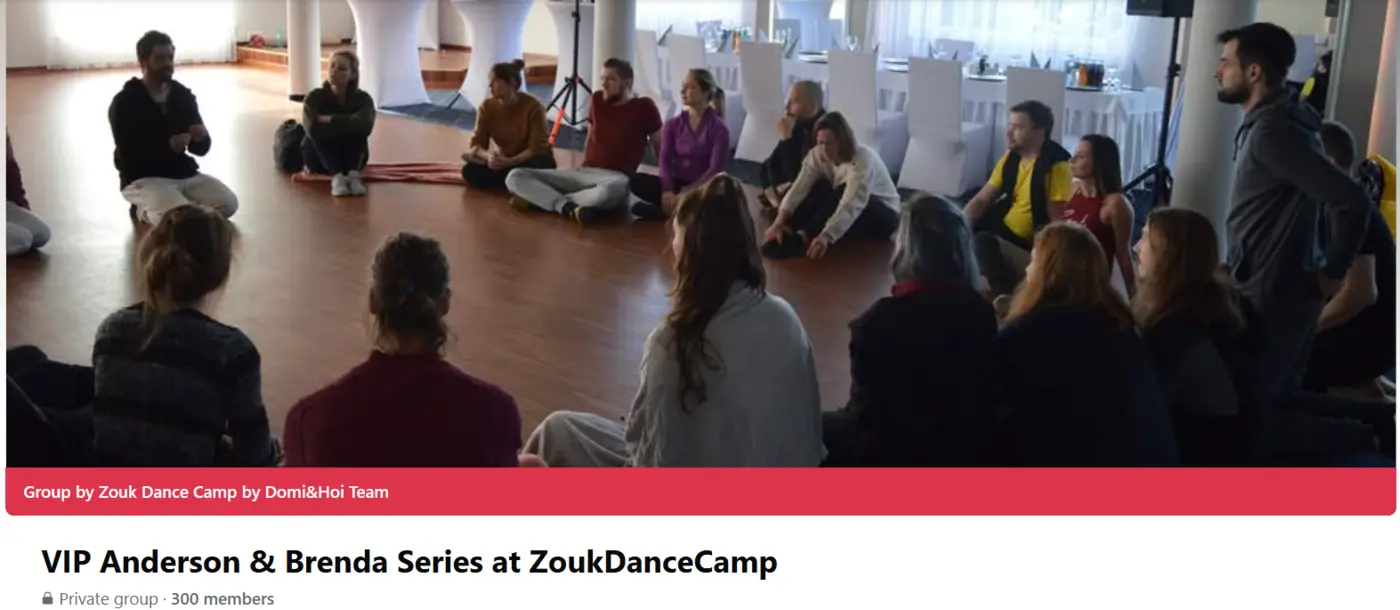
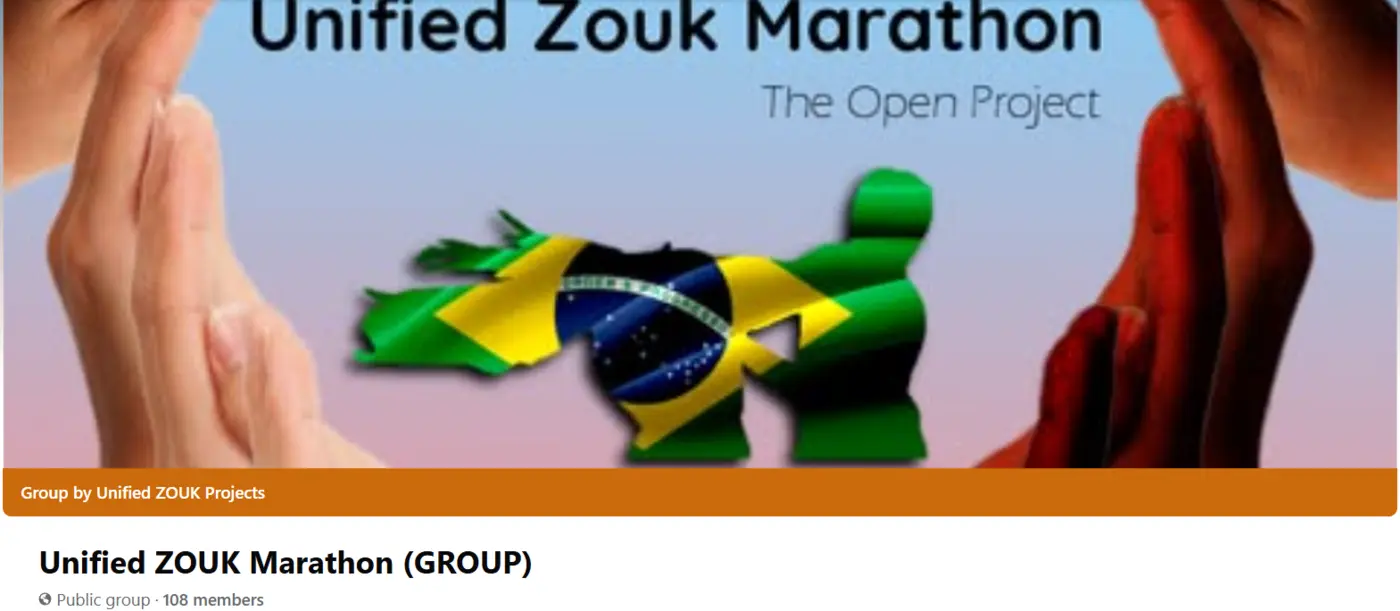
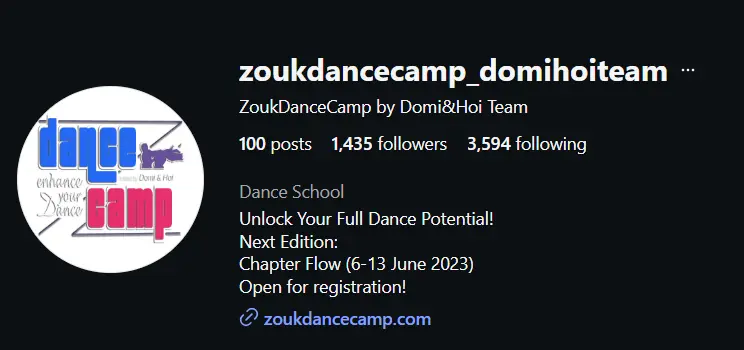
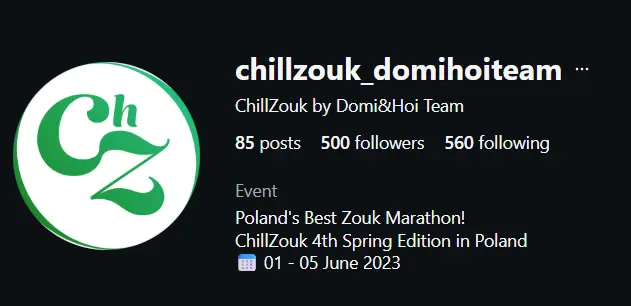
The brand pages behind them:
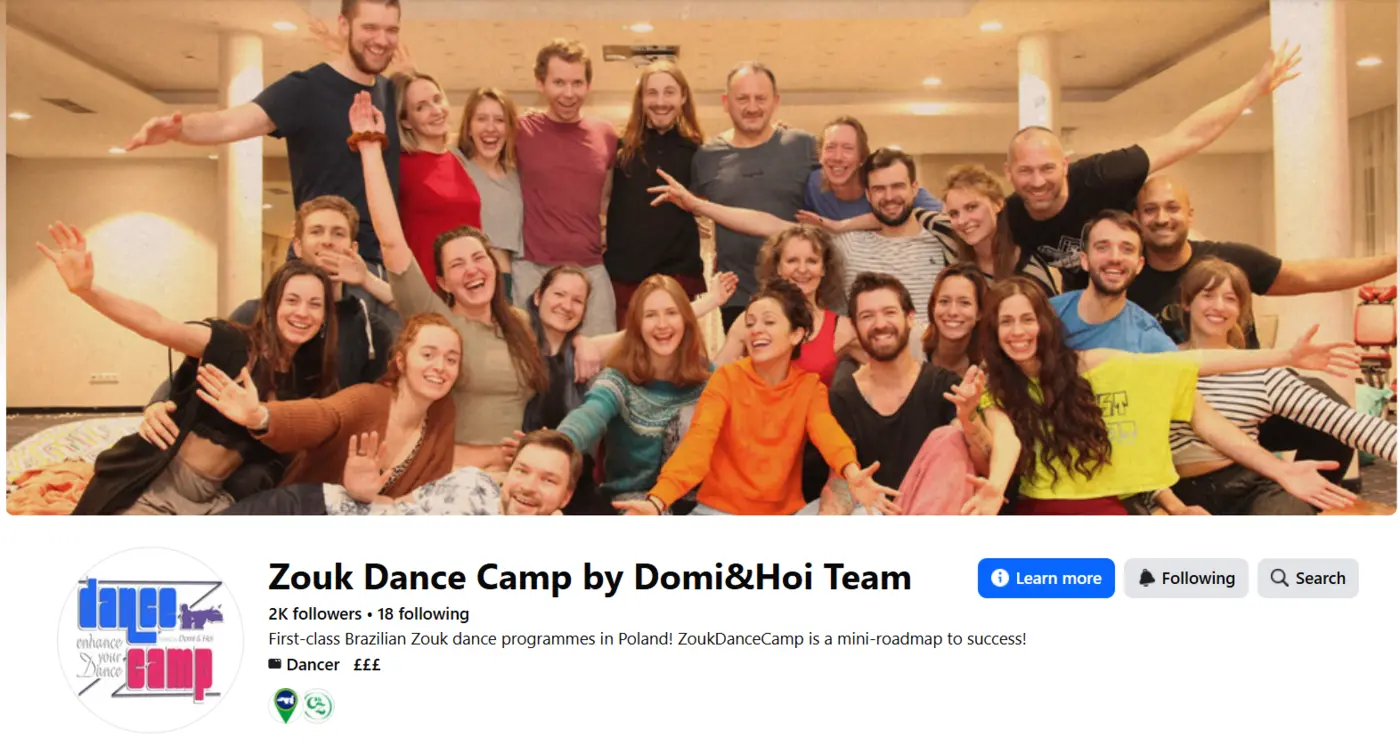
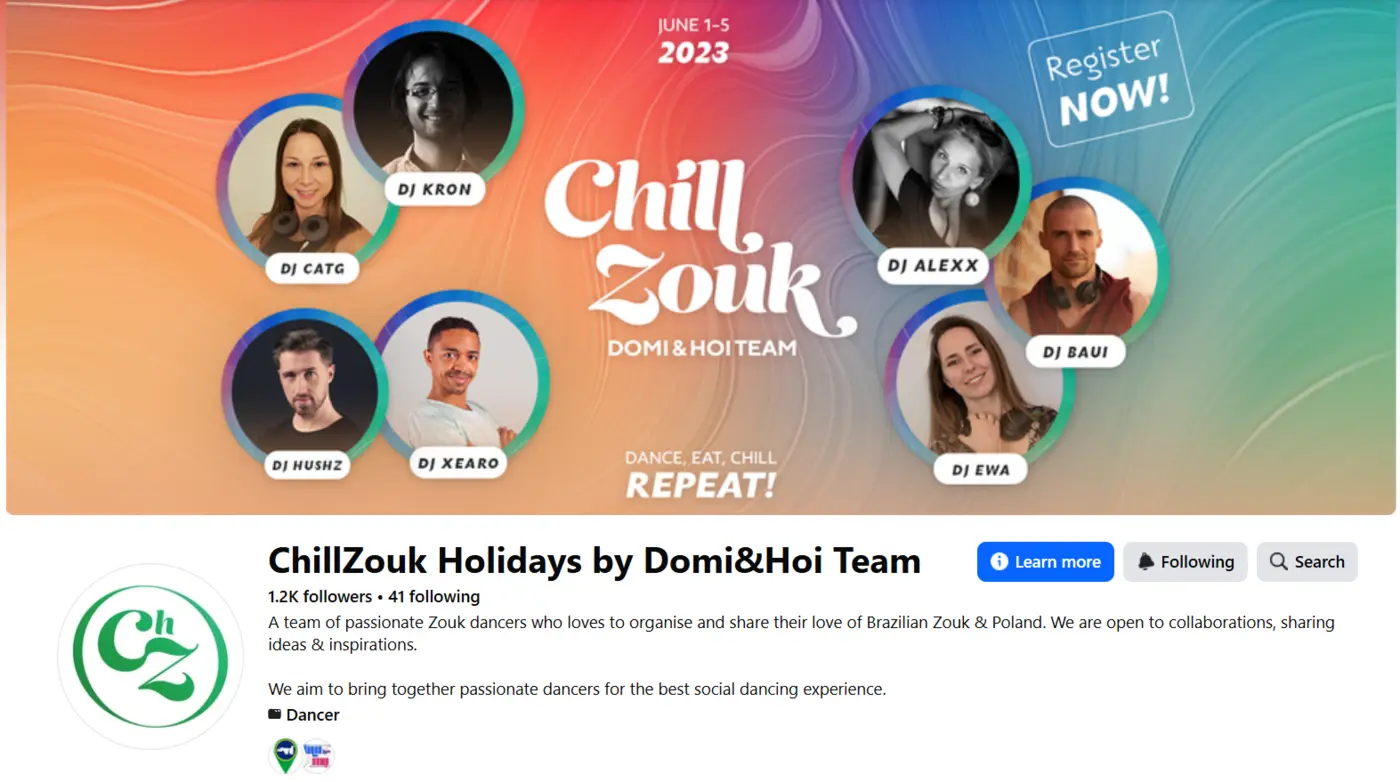
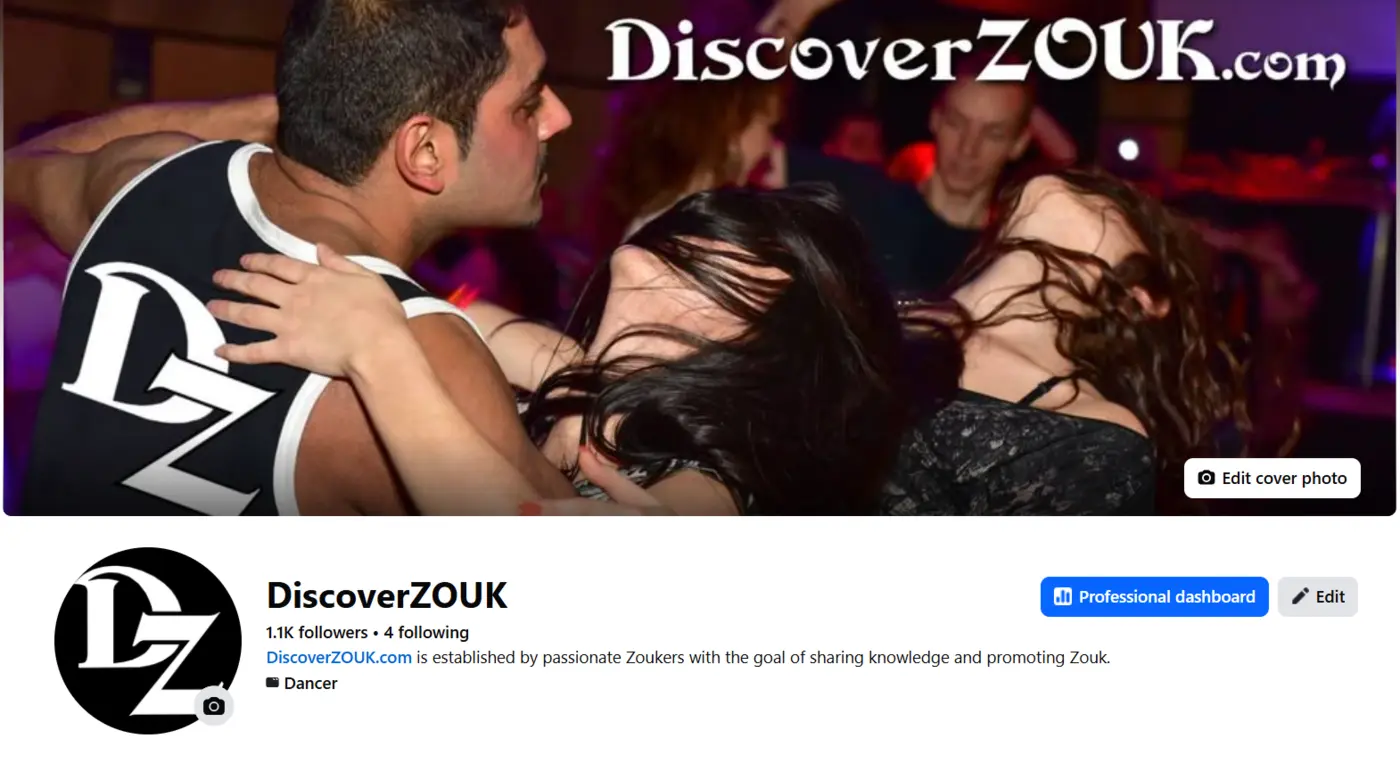
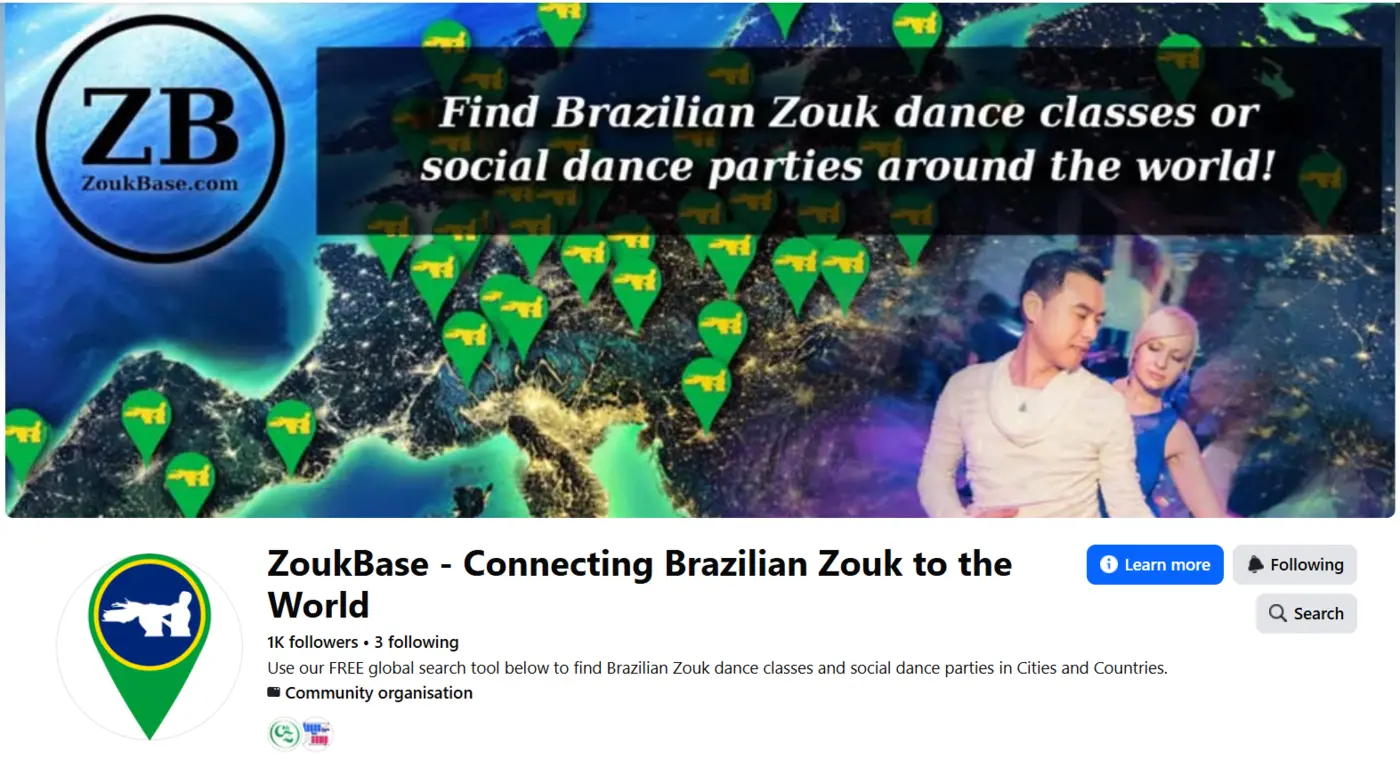
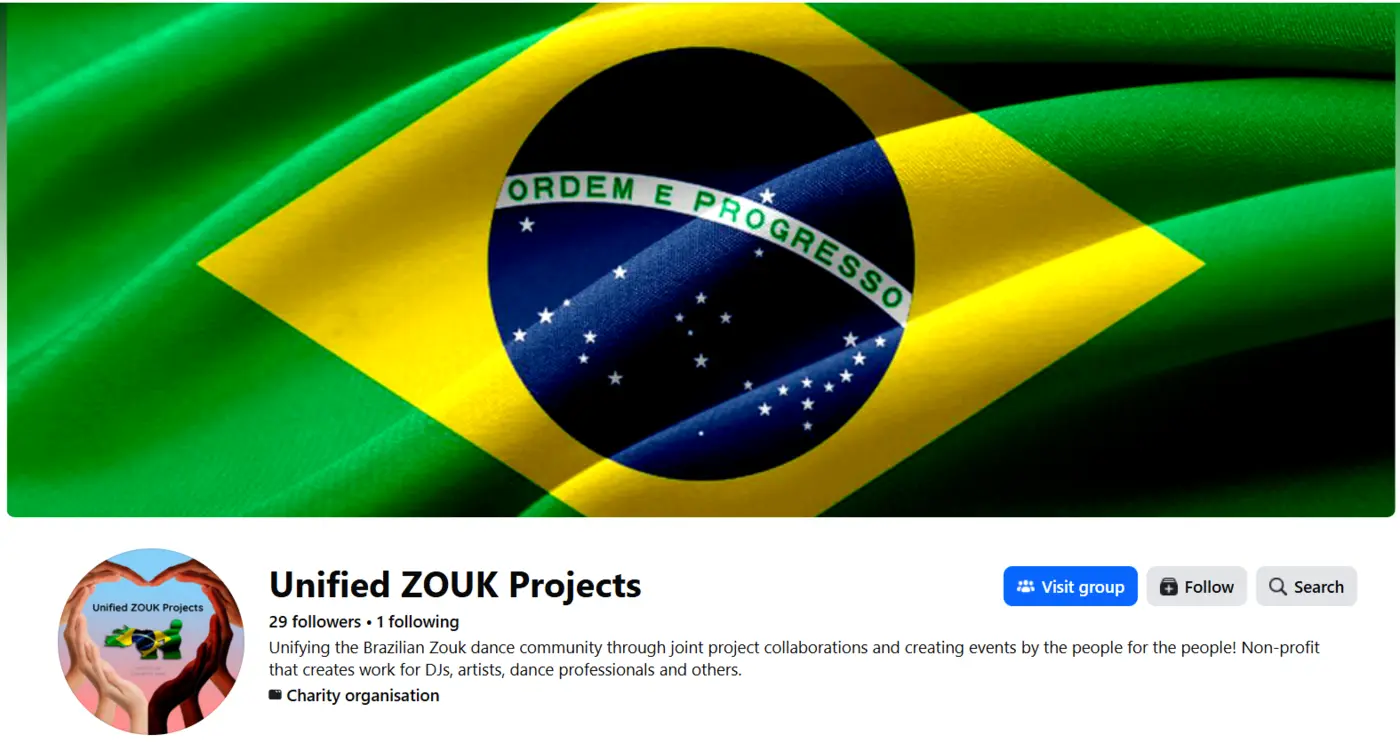
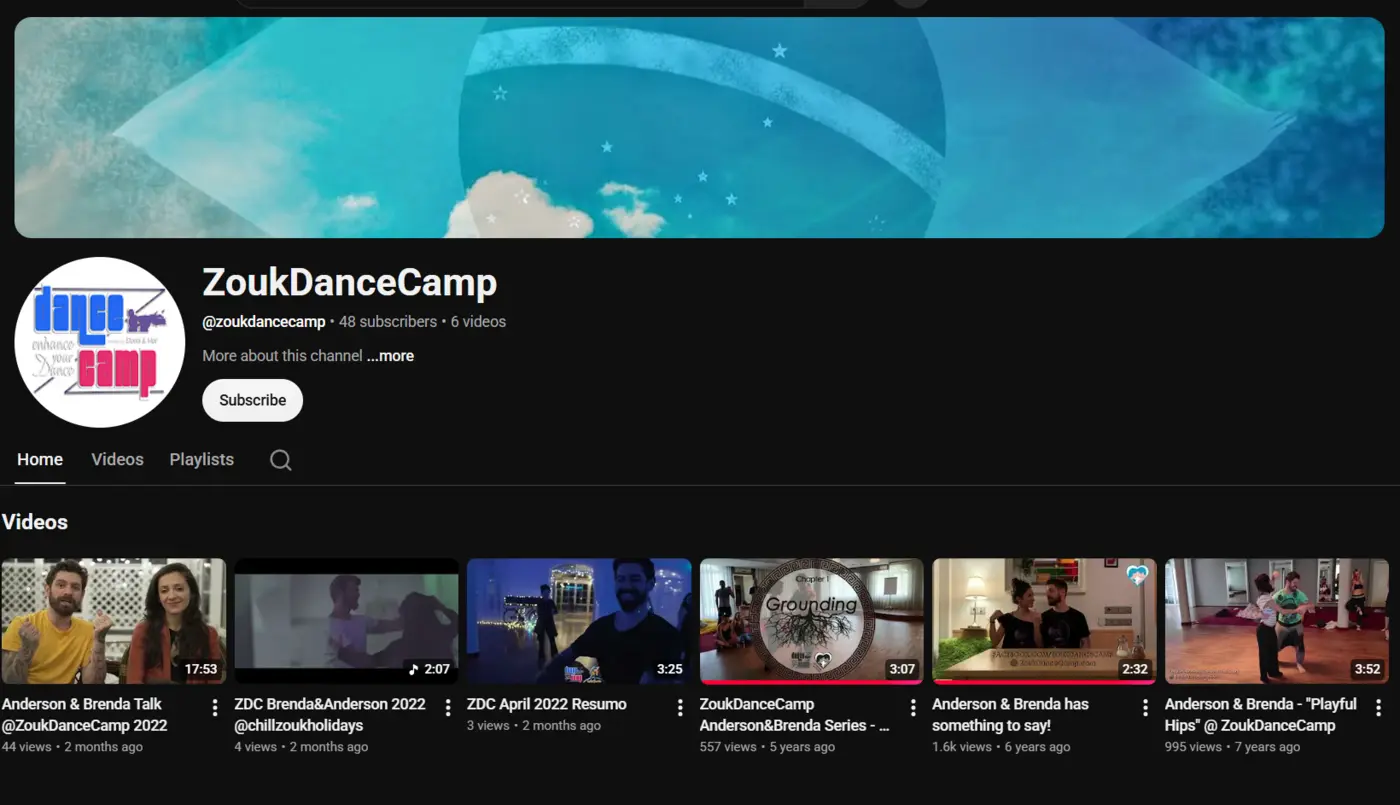
And everywhere else, Instagram and the YouTube channels where the videos lived:
6. You will get haters, and that is fine
Remember that rant? It created a proper divide in the existing scene.
The haters will make you feel bad, no point pretending otherwise. But a lot of them are not really haters. They just think your approach is not the way, and honestly, fair enough, everyone to their own. Here is the thing though. It was never about proving who is right or who is wrong. The goal was always to add value and change the dance for the better. So believe in what you are doing, take the hits, and keep going. Eventually most of them come round and see it was for the community all along.
7. Lead by example, and stay a student
Be approachable, and lead by example. Good example and bad example (muahaha).
What that actually means is showing people what it is like to be a student, by still turning up to classes yourself. I was doing that while I was still very much a learning dancer. Even now, after fifteen years, I am still learning. The world is vast. There is so much I do not know, and what I do know is still so little. That is roughly how you feel once the dance has properly humbled you (lol). Brazilian Zouk is the hardest dance in the world, and I have a love-hate relationship with it. It is the best feeling in the world, and it is too fucking hard to learn. There is no fast track and no easy route in this dance, just pure grit, foundation first, and you keep learning, practising (lots of it), and exploring. I know I am ranting, but that is me proving the point, leading by example and staying a student.
And you have to blend in. Spend real time with people. Not just promoting your own work, not just dancing all night and skipping the actual socialising. It is tiringly hard work. Sometimes fun, sometimes gruesome.
Did you know some of the most epic pre-parties at these festivals were coordinated by me and a few of the other community leaders? One I still think about was at the Sangate hotel for the Warsaw Zouk Festival, the tenth edition I think, just before COVID, with 1,500+ Brazilian Zouk dancers in the building. I took over about five rooms on the ninth floor and turned the whole floor into a pre-party galore. Each room had its own theme. Mine was tea and massage (which somehow turns alcoholic on most nights). Others were pre-dancing rooms, an RnB room, and yes, one room that shall remain politely undescribed. A guest walked into that one, freaked out, and came knocking on my suite down the hall asking what on earth they had just seen that could not be unseen (hahaha). We got guests inviting other guests up to the ninth floor by word of mouth, and it all kicked off from a small WhatsApp group. Those were the days. Some organisers actually frowned at my pre-parties, because now and then nobody was at the real party, they were all up in my suite enjoying the warm-up first.
The point buried in that story. People do not follow a brand. They follow a person who shows up, gets stuck in, and treats them like people.
8. Point people to the right door
Last one. When someone comes to you for help, funnel them in the right direction.
That often means working with, and recommending, good community builders and good teachers I trust. I always tell people to try every teacher and every school first anyway. You cannot know what mould tastes like without tasting it (have you tasted mould before? Not nice, right, but you will remember to avoid it in future, lol). Only once you have tried as many as possible do you have a real contrast to judge by. And then it is not me telling you what is better. You learn to make your own better decisions and find the answer you were looking for.
The other half of it is helping people navigate a vast, fragmented mess of information, and sending them to a good source instead of a stale one. I do not like reinventing the wheel either. My site listed dance schools all over the world so you could find local classes, but it never listed international events. Other people had already built something good for that, so I just pointed dancers their way.
Here is the part most people never realise. Even though we run our own dance holidays and our own international dance school, I very rarely push them. I point people to other good schools first, the ones I trust to guide a student towards the path they actually want. A lot of new dancers find me because I write about dance (you can see the logic in the posts, the attention to detail), and because back in the day I ran the largest groups on social media, including ChillZouk and ZoukDanceCamp. Not every student is ready for our programme, so I would rather guide them and point them somewhere useful than see them as a sale. And when they do reach the right moment in their journey, we welcome them in gladly.
So why only a few thousand?
Some of you will look at the numbers and think, a few thousand members, is that it?
Brazilian Zouk is small. It is a niche, and that is exactly what makes it so hard. Helping our tiny community find each other is like finding a needle in a haystack. Building a mainstream community is almost certainly much easier. But what the hell, I like a good challenge.
You know it is working when a random dancer at an event dances with you, or just walks up, and goes, “wait, you are Hoi?” And the conversation goes from there. Yes, that is me. They tell you they appreciate the work, and the resources you put out to help them find their way through this chaotic dance world. That is when I get to quietly pat myself on the back and go, “well done Hoi, you did great.”
And here is the part I am proudest of. That community is still running today. Years on, with contributors still policing it and keeping it in order, long after I stopped needing to sit in the middle of it. That is the whole point of building the roots first. Do it properly and the thing outlives you.
Which brings me neatly to my latest one. If any of this landed with you, come and take a look at what I am building now, Asians & Gingers in Tech. Different scene, same instinct. Find the people, give them a reason, build the thing that is not there yet. I would love your support, so have a read, join the groups, and follow along.
(PS. I have moved all my old dance writing from the previous site over to the dance section here, if you ever fancy a read. I am carving out time to write more of it too, because my thinking on the dance has moved on a fair bit since.)
A few memories
Curious what my Brazilian Zouk community actually looked like? These clips still bring back good memories, and the warmth of the space we created.
From our ChillZouk Holidays festivals in Poland:
More over on the ChillZouk Holidays channel.
And one from ZoukDanceCamp:
More over on the ZoukDanceCamp channel.
Thanks for reading. I hope it helps, whatever kind of community you are mad enough to go and build.
This is the Way